

When to Call Emergency Tree Services: Situations Needing Immediate Attention
- newhorizonstreeser
- Jan 17
- 4 min read
Trees are a vital part of our environment, providing shade, beauty, and even improving air quality. However, there are times when trees can pose serious risks to property and safety. Knowing when to call emergency tree services is crucial to prevent damage and ensure safety. This article explores common situations that require urgent tree care, helping you recognize the signs and act promptly.
When to Call Emergency Tree Services: Key Indicators
Trees can become hazardous due to weather, disease, or structural weaknesses. Here are some clear signs that indicate you should contact emergency tree services immediately:
Storm Damage: High winds, heavy rain, or ice storms can cause branches or entire trees to fall. If a tree is leaning dangerously or has broken limbs hanging over your home, it’s time to call for help.
Fallen Trees Blocking Access: A tree blocking your driveway, sidewalk, or road can be a serious safety hazard and inconvenience.
Trees Touching Power Lines: Trees in contact with electrical wires pose a fire and electrocution risk. This situation demands urgent professional intervention.
Root Damage or Uprooted Trees: If a tree’s roots are exposed or the tree is partially uprooted, it can fall at any moment.
Cracks or Splits in the Trunk: Visible cracks or splits in the trunk indicate structural instability.
Diseased or Dead Trees: Trees weakened by disease or decay are more likely to fall unexpectedly.
Recognizing these signs early can save lives and prevent costly property damage.

Common Emergency Tree Situations and How to Handle Them
Understanding specific emergency scenarios helps you respond effectively. Here are some common situations that require immediate tree service:
Storm Aftermath
Storms are the most frequent cause of tree emergencies. After a storm, inspect your property for:
Broken branches hanging precariously
Trees leaning towards structures
Uprooted or partially uprooted trees
If you notice any of these, avoid the area and call emergency tree services. Professionals have the equipment and expertise to safely remove hazards.
Trees Near Power Lines
Trees touching or falling on power lines are extremely dangerous. Do not attempt to trim or remove these trees yourself. Instead, contact your utility company and an emergency tree service provider to handle the situation safely.
Tree Blocking Access or Damaging Property
A fallen tree blocking your driveway or damaging your home requires urgent removal. Emergency tree services can clear the obstruction quickly, restoring access and preventing further damage.
Hazardous Trees in Public Areas
If you notice a tree in a park, sidewalk, or other public space that looks unstable, report it to local authorities or emergency tree services. Prompt action can prevent accidents.
Trees Causing Structural Damage
Trees growing too close to buildings can damage foundations, roofs, or walls. If a tree is causing visible damage or poses a risk of falling, emergency removal may be necessary.
Does Insurance Cover Emergency Tree Removal?
Many homeowners wonder if their insurance policy covers emergency tree removal. The answer depends on your specific policy and the circumstances surrounding the tree damage.
Covered Situations: Most standard homeowners insurance policies cover tree removal if the tree falls due to a covered peril such as windstorm, lightning, or fire.
Not Covered: Damage caused by neglect, disease, or lack of maintenance is usually not covered.
Additional Coverage: Some policies offer additional coverage for tree removal, including debris cleanup.
It’s important to review your insurance policy carefully and document any damage with photos. Contact your insurance provider promptly to understand your coverage and file a claim if necessary.
How Emergency Tree Services Work: What to Expect
When you call an emergency tree service, here’s what typically happens:
Assessment: A professional tree technician will assess the situation to determine the safest and most effective removal method.
Safety Measures: The team will secure the area to protect people and property.
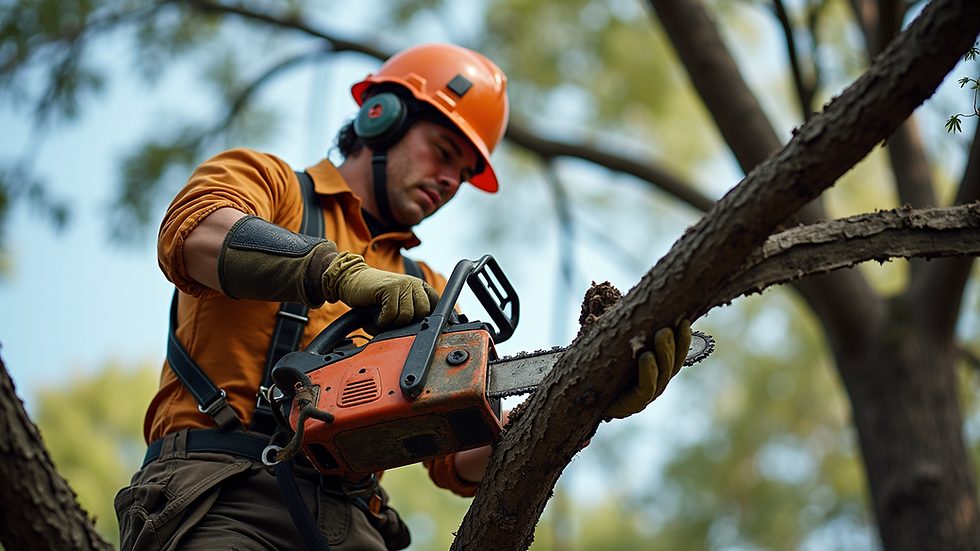
Tree Removal: Using specialized equipment, the tree or hazardous branches will be removed carefully.
Cleanup: Debris will be cleared from the site, leaving your property safe and tidy.
Follow-up: In some cases, the service may include stump grinding or advice on preventing future issues.
Emergency tree services operate quickly and efficiently to minimize risk and damage.
Preventing Tree Emergencies: Tips for Tree Care
While some emergencies are unavoidable, proper tree care can reduce risks significantly. Here are practical tips to help prevent tree emergencies:
Regular Inspections: Have a certified professional inspect your trees annually for signs of disease, decay, or structural problems.
Pruning: Regular pruning removes weak or dead branches that could fall during storms.
Proper Watering and Fertilizing: Healthy trees are more resilient to stress and damage.
Avoid Planting Near Structures: Plant trees at a safe distance from buildings, power lines, and driveways.
Monitor Tree Health: Watch for signs of pests, fungal infections, or root damage.
Remove Hazardous Trees Early: If a tree is dead or severely damaged, remove it before it becomes a hazard.
Taking these steps can save you from costly emergency situations and keep your property safe.
When to Seek Professional Help Beyond Emergencies
Not all tree issues require emergency services, but knowing when to call a professional is important:
Large Tree Pruning: For safety and proper technique, hire professionals for major pruning jobs.
Tree Planting and Transplanting: Experts ensure trees are planted correctly for long-term health.
Routine Maintenance: Regular care by professionals helps maintain tree safety and aesthetics.
Professional tree care supports the health and safety of your landscape year-round.
Understanding the situations that require emergency tree services helps you act quickly and protect your property and loved ones. Whether it’s storm damage, a fallen tree blocking access, or a hazardous tree near power lines, timely intervention is key. Remember, if you ever face a tree emergency, do not hesitate to contact a trusted emergency tree service to handle the situation safely and efficiently.
Comments